


Users want to know when choosing a display screenLCDandLEDWhich screen is better, for exampleLCDIs the display effect good or notLEDThe display effect of the screen is good, which one is harmful to the eyes and which one is not, especially in some large screen display situations that require long-term use. These specific factors will directly affect our use. At this point, we need to approach it rationallyLCDandLEDWhat is the specific difference between screens? Because the existence of any product has certain reasons, they have both advantages and disadvantages. We can only choose the corresponding technology while clarifying our display needs. soLCDandLEDThere is no better word for a screen, only whether it is suitable or not. Next, we will compare them in detail by introducing the differences between them, so that users know how to choose.
1LCDandLEDThe principle of
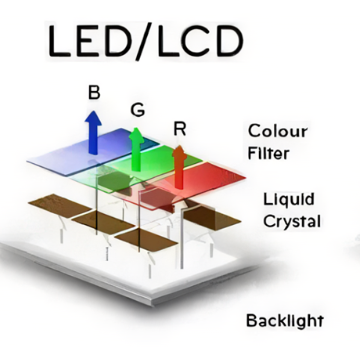
LCDIt is an abbreviation for LCD display. Its structure mainly consists of placing liquid crystal between two parallel glass pieces. There are many thin wires running vertically and horizontally between two parallel pieces of glass. By powering on or off, the rod-shaped crystal molecules are controlled to change direction, refract light, and produce images.
LEDIt is an abbreviation for light-emitting diode. Its working principle is that in some semiconductor materialsPNIn the junction, when the injected minority carriers combine with the majority carriers, excess energy is released in the form of light, directly converting electrical energy into light energy;PNWhen a reverse voltage is applied, it is difficult to inject minority carriers, so they do not emit light. This type of diode made using the principle of injected electroluminescence is called a light-emitting diode, commonly known asled.
2、 Differences in application environments
If we only consider the adaptability of the application environment, undoubtedlyLEDScreen comparisonLCDThe screen is better becauseLEDThe screen has waterproof and sun resistant properties, as well as high brightness, so it can meet the needs of outdoor applications. Even in rain or direct sunlight, it can display images normally. ButLCDThe screen can only be used in indoor environments because it is an electronic product with many electronic components inside. It cannot be exposed to water, otherwise it will cause a short circuit. So from the perspective of environmental applicationsLEDThe screen has more advantages.
3、 Differences in Display Effects
1、LCDThe clarity of the screen is better, the brightness is suitable for long-term viewing, and the colors are more delicate
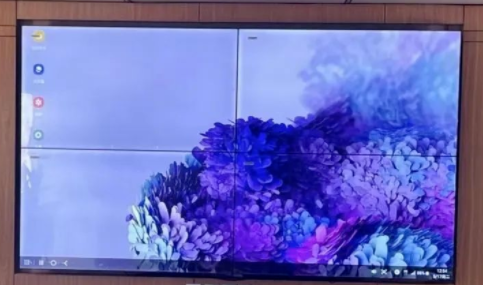
LCDThe screen belongs to the LCD series products, and its resolution can be achieved with just one screen1920*1080Through multi screen splicing, it is even more achievable4KHigh definition display, so it has very high clarity when displaying images, whether viewed up close or far, providing users with a better visual experience, especially suitable for playing high-definition video sources.
Furthermore, althoughLCDThe brightness of the screen is not as good asLEDThe screen is high, but it can meet the needs of indoor display occasions without reflection. At the same time, it has advantages when watching the screen for a long time, because if the brightness is too high, it will cause the screen to be glaring and harmful to the eyes. Although its brightness is not particularly high, it has no effect on the eyes when watching for a long time, and it looks very comfortable, just like when we usually watch TV.
also,LCDThe screen has richer colors, stronger color levels, better grayscale performance, high contrast, and can achieve16.7MThe color of the image appears more delicate and soft.
2、LEDGood screen integrity
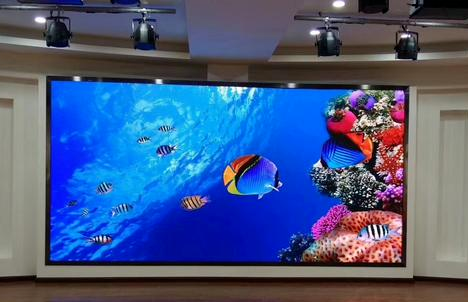
LEDDue to its organizational structure, the screen does not look likeLCDThe splicing gap like a screen, so its integrity is good, and the effect is better when displaying the image in full screen.
4、 Differences in usage
1、LCDThe screen is suitable for use in monitoring displays, small and medium-sized meetings, exhibition halls, and other occasions
LCDThe screen is supported by high definition and good stability24The characteristic of continuous operation for hours has become the main product of video surveillance display, because in the monitoring room, it is almost always running continuously throughout the year, onlyLCDOnly industrial grade panels like screens can meet the requirements and clearly display the images captured by surveillance cameras. Moreover, their after-sales rate is extremely low, and they can achieve continuous operation20A running time of 10000 hours is very suitable for situations with high security requirements.
In addition, in some small and medium-sized conference rooms or exhibition halls of enterprises,LCDScreens are also widely used due to their high definition and suitability for long-term viewing, such as through9Block screen to create a150A large display screen of about inches is used for meetings and showcasing company product information, which can clearly display all content.
2、LEDScreens are suitable for use in advertising, text display, large conferences, and other occasions
LEDThe biggest advantage of a screen is that it has no seams, so it is very suitable for full screen display. It is often used in outdoor promotional occasions, such as playing video advertisements, displaying text content in some stores, publishing information content in public places such as stations, displaying text and numbers, and in large lecture halls, product launches, and other occasions. Due to the long viewing distance, it can be used forLEDThere are also quite a few screens.
So it cannot be simply assumed thatLCDandLEDWhich screen is better? Because they both have advantages and disadvantages, it is better to dialectically consider their characteristics and choose based on one's own display needs, installation environment, etc.